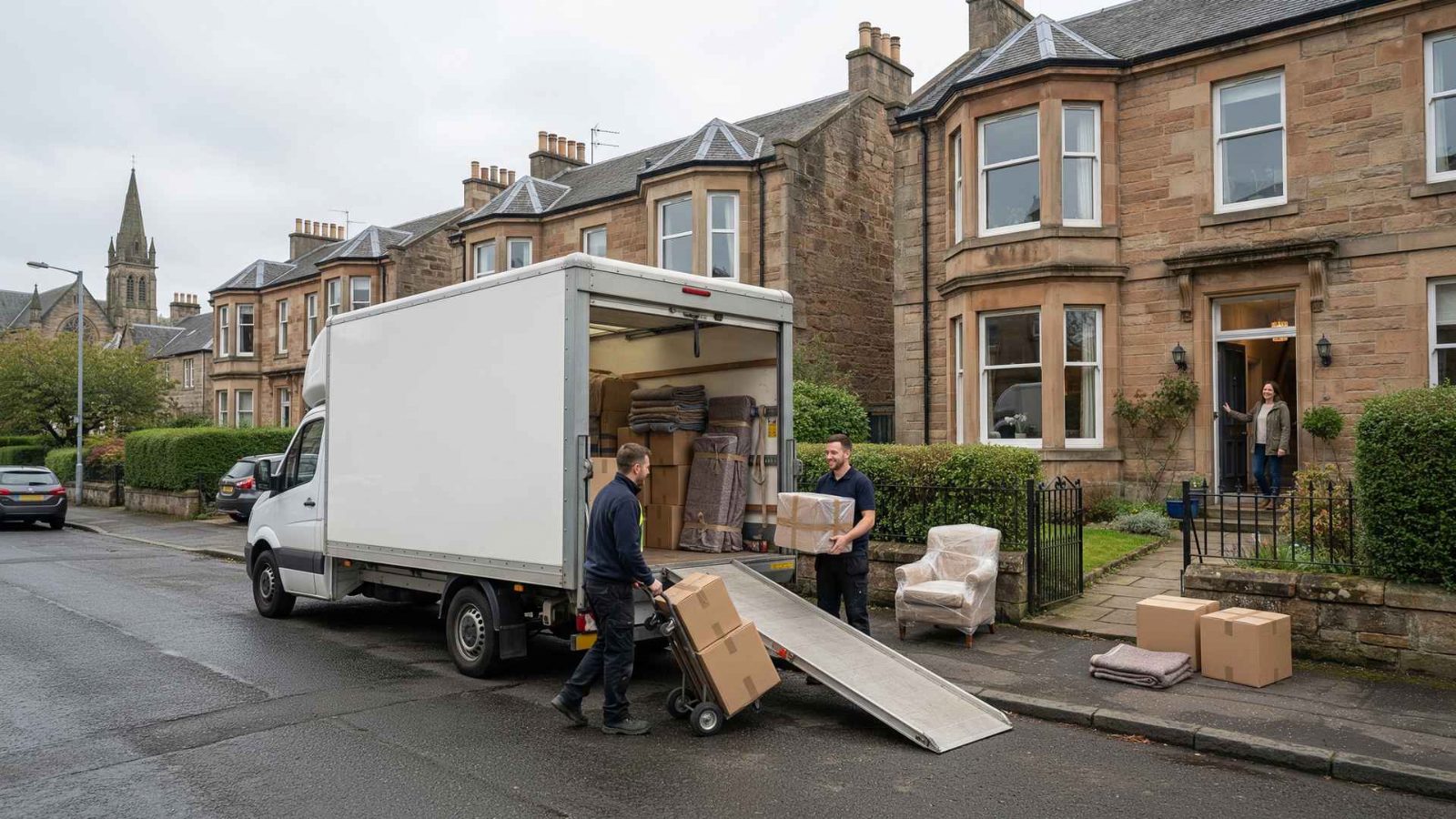
Local Removal Contractor Connections
House Removals in Paisley Made Easier
Planning a move? Tell us what you need and we will pass your request to an independent local contractor. Get a Free Estimate
Moving home involves more than getting belongings from one address to another. There are dates to organise, furniture to prepare, boxes to pack and practical details to consider at both properties. Whether you are leaving a flat near Paisley town centre, moving from a family home in Glenburn or arranging a move elsewhere in Renfrewshire, finding the right removal contractor is an important part of the process.
House Removals Paisley provides a straightforward way to request help with a move. We take your details, understand the type of removal you need and pass your request to an independent local contractor. The contractor then contacts you directly, discusses the property and belongings, provides an estimate and arranges the work if you decide to proceed. This means you can explain your requirements without having to organise the initial search yourself. We can receive requests for complete household moves, smaller flat removals, packing assistance and other related requirements.
We believe arranging a removal should begin with a clear conversation about what needs to happen. Every move has its own circumstances. A couple moving from a small flat may need something quite different from a family leaving a larger property with several bedrooms, garden furniture and years of accumulated belongings. Understanding those differences helps establish what sort of contractor and arrangements may be appropriate.
House Removals Paisley does not carry out removals itself. We take the customer's request and pass it to an independent local contractor, who contacts the customer, discusses the job, provides the estimate and carries out the work. We keep our role focused on making that initial connection clear, rather than suggesting that we operate the removal vehicles or supply the people completing the physical move. We want customers to understand who they are speaking with and who will be responsible for the removal.
More about us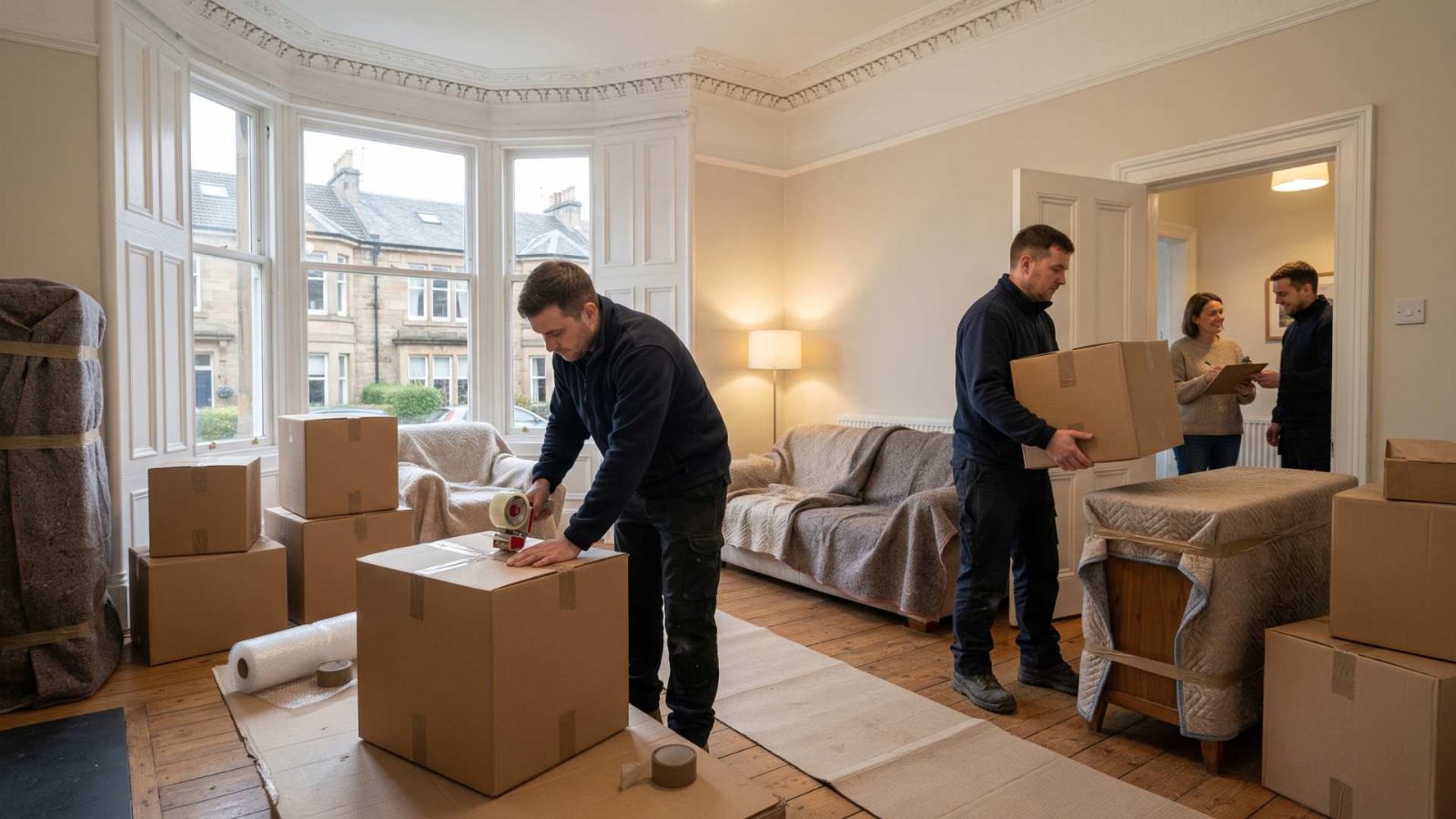
From complete house moves and flat removals to packing assistance, storage arrangements and office relocations, we can pass your requirements to an independent local contractor for discussion.
Arrange a request for household and flat moves with the property layout, furniture and access requirements explained clearly.
Learn more →Request packing assistance for household belongings, fragile items, furniture protection and preparation ahead of moving day.
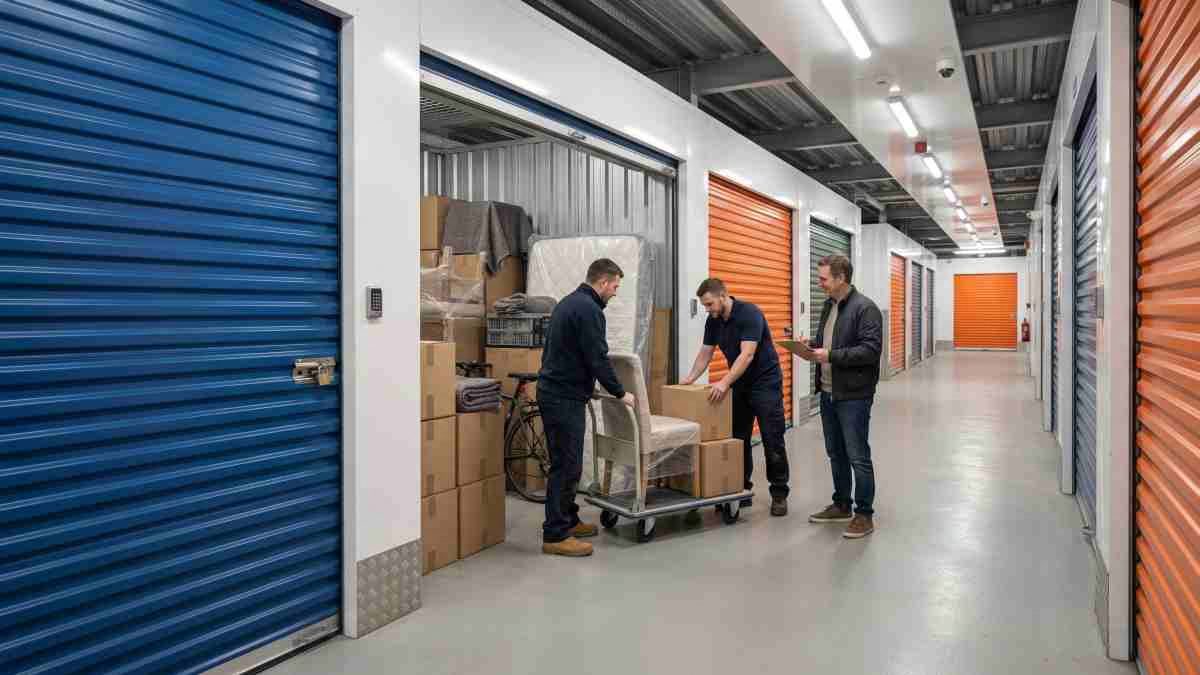
Learn more →Discuss household storage requirements when moving dates do not align or belongings need to be kept elsewhere temporarily.
Learn more →Request assistance arranging an office relocation, including furniture, equipment, documents and access planning.
Learn more →Paisley is our primary service location, with requests also welcomed from households and businesses in nearby towns. We cover a broad part of Renfrewshire and surrounding communities, including Johnstone, Linwood, Bridge of Weir, Erskine and Renfrew. Each location has different property types, access arrangements and moving considerations, so it is useful to describe your actual address and circumstances when making a request.
We also welcome enquiries from Clydebank, Barrhead and Port Glasgow. Whether you are moving closer to work, relocating to another part of the region or leaving the area altogether, tell us your collection and destination locations. We will pass the information to an independent local contractor who can consider the journey, property access, belongings and proposed moving date.
See all service areas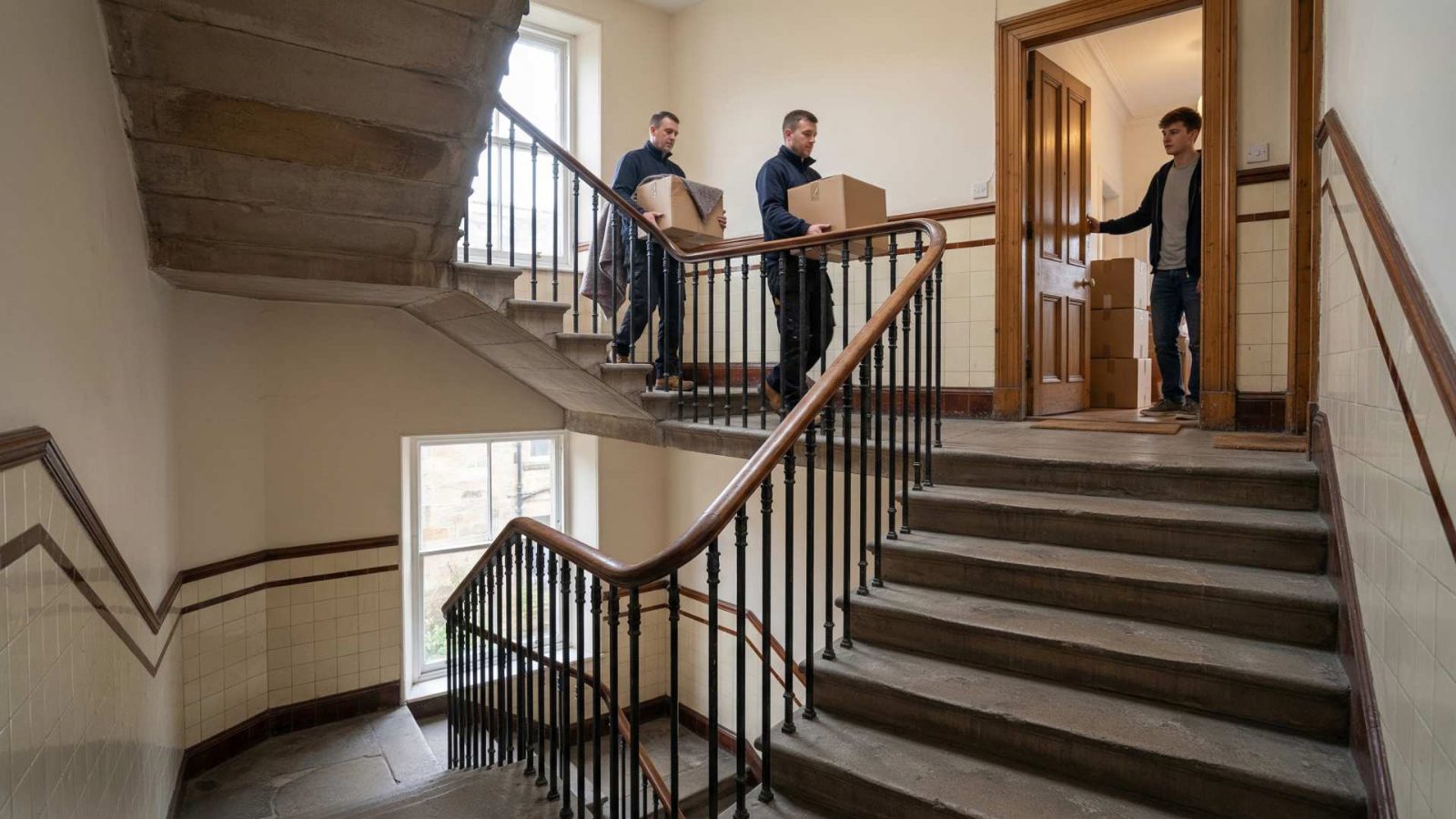
You can explain your moving requirements in one request. We pass the information to an independent local contractor for direct follow-up.
Requests can cover full household removals, flats, packing assistance, storage requirements and office relocations.
The independent contractor contacts you to discuss the property, belongings, access and timing before providing an estimate.
We accept requests from Paisley and surrounding communities, helping people begin the process of finding relevant local removal support.
A small flat move and a large family relocation are different jobs. We encourage customers to describe their circumstances rather than rely on a generic description.
A house removal usually begins well before moving day. The first task is establishing what needs to be moved, where everything is going and when the property must be cleared. These details influence the type of arrangements required and help the contractor understand the work involved.
With House Removals Paisley, the first step is sending us your request. Include your current location, destination, preferred date and a general description of your property. It is also useful to mention the number of bedrooms, the amount of furniture, whether there are particularly heavy items and whether you need assistance with packing. If either property has stairs, narrow entrances or restricted vehicle access, include that information too.
We pass the request to an independent local contractor. The contractor then contacts you directly to discuss the details. They may need additional information about the property, the belongings and the access arrangements before deciding what is required. The contractor provides the estimate and explains the arrangements available for your particular move.
If you are happy with the proposal, you can discuss the next steps directly with the contractor. This is where the practical arrangements are confirmed, including the moving date, collection and delivery details, preparation requirements and any additional services. The contractor is responsible for carrying out the removal.
Preparation makes a considerable difference to how smoothly a move progresses. Start identifying items that will not be moving, separate belongings that need special attention and make sure important documents and everyday essentials are easy to find. Where packing assistance is required, discuss exactly what is included rather than assuming every item will be packed automatically.
On moving day, having clear access to both properties and knowing which belongings are going to each destination can help avoid confusion. If plans change, communicate with the contractor as early as possible. A removal is easier to organise when everyone understands the same requirements.
There is no single type of move that requires professional removal support. The right arrangement depends on the amount of furniture, the distance between properties, the available help and the time you have to complete the move. However, there are several signs that getting a removal estimate is worth considering.
A property with multiple bedrooms, large wardrobes, beds, sofas, appliances and dining furniture can involve more lifting and transport than people initially expect. Even when belongings are being sorted and reduced before moving, transporting the remaining furniture safely requires planning. A contractor can discuss the volume of belongings and the arrangements needed for the job.
Flat moves can also be more complicated than their size suggests. A property on an upper floor may have stairways, shared entrances or lifts that affect how furniture can be moved. Some buildings have limited parking or restrictions on where a vehicle can stop. These details are particularly important when arranging a collection or delivery in a busy residential area.
A short-distance move does not necessarily mean a simple job. Moving between nearby streets can still involve dismantling furniture, protecting fragile belongings and coordinating access to two properties. Equally, a longer-distance relocation needs suitable planning for the journey and the delivery arrangements.
Another reason to consider a contractor is limited availability of friends or family to help. Moving furniture without enough suitable assistance can lead to unnecessary strain, damage or delays. It is also worth considering whether you have the time to hire transport, organise helpers, load everything and return the vehicle.
If you are uncertain whether your move needs a full removal arrangement, describe what you have and ask for an estimate. You can explain which parts you intend to handle yourself and which require assistance. The contractor can then discuss whether the proposed arrangements suit the work.
Removal requirements vary considerably, so an estimate needs to reflect the actual job rather than simply the distance between two postcodes. The amount of furniture and the volume of household belongings are important starting points. A home containing several bedrooms, extensive storage furniture and large appliances will generally require different arrangements from a lightly furnished one-bedroom flat.
The size and layout of the properties also matter. Staircases, narrow corridors, small doorways and restricted entrances can influence how belongings are taken out and brought into a property. Upper-floor flats, shared access areas and buildings with limited lift availability may require additional planning. If furniture needs to be dismantled or reassembled, that should be discussed before arrangements are confirmed.
The distance between the collection and destination addresses is another consideration. Local moves within Paisley may involve different journey requirements from a relocation to another part of Scotland or elsewhere in the United Kingdom. Traffic conditions, access at either end and the proposed moving date can also influence the practical arrangements.
Special items should always be mentioned. Large wardrobes, pianos, unusually heavy furniture, delicate antiques, specialist equipment and bulky garden items may need particular handling or preparation. Do not assume that an item is included in a standard removal arrangement without discussing it first.
Additional services can change the scope of the job. Full or partial packing, storage, furniture dismantling and the movement of office equipment all involve separate requirements. If you need boxes, protective materials or assistance preparing a property, explain this when making your request.
The best approach is to provide an honest description of everything involved. Photographs, an inventory or a room-by-room summary may help the contractor understand the scale of the work. The contractor will use the information to discuss the requirements and provide an estimate. We do not publish fixed prices because each removal needs to be considered on its own circumstances.
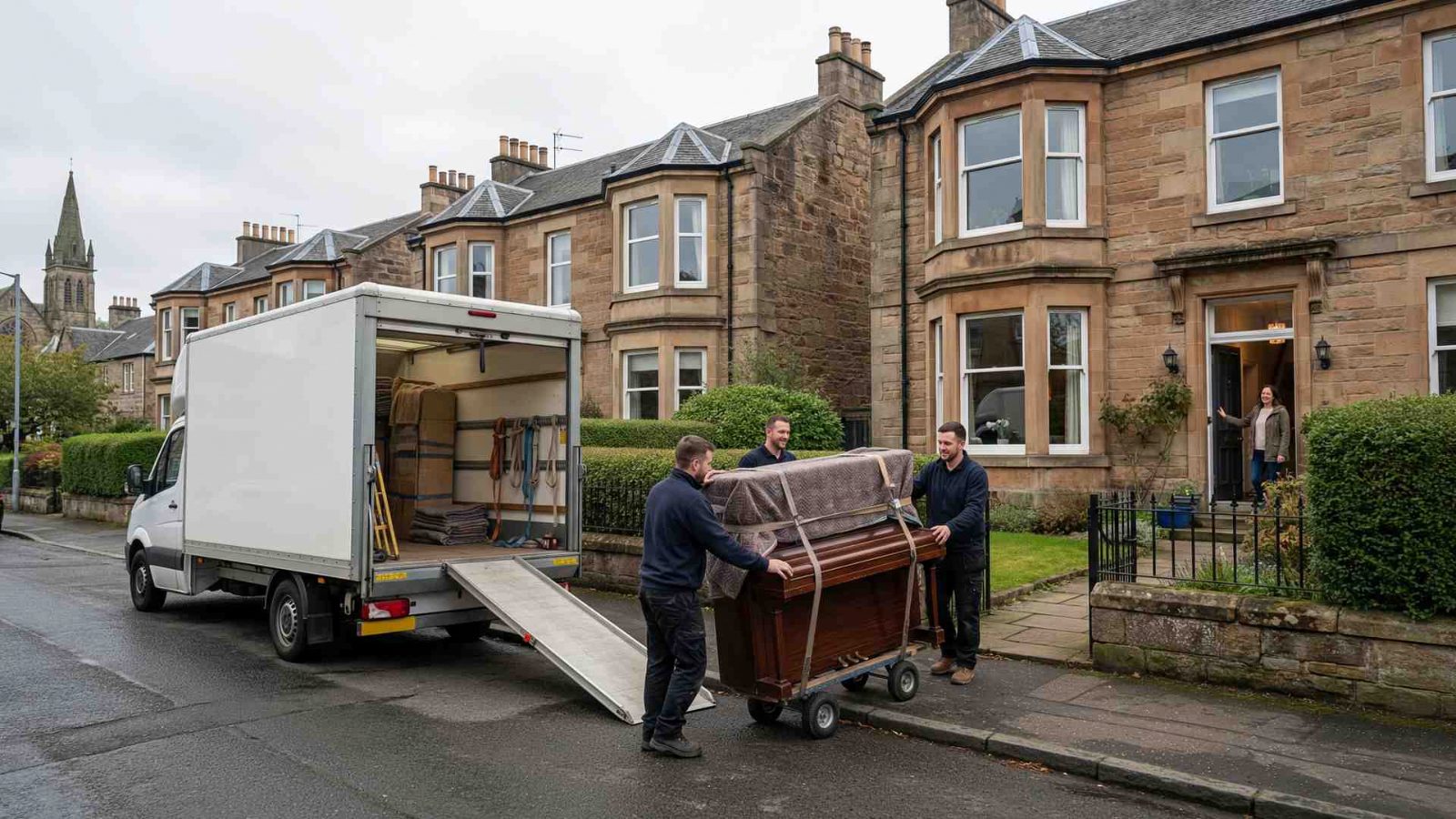
Moving within Paisley can involve a mixture of traditional sandstone tenements, older terraced homes, modern flats and larger family properties. These buildings do not all offer the same access. A flat near the town centre may have shared stair access and limited places for a removal vehicle, while a detached home on a residential street may have a driveway but more furniture and outdoor belongings to consider.
The town centre, including streets around Gilmour Street and Paisley Cross, can require careful thought about stopping arrangements and the timing of a collection. If your property is near a busy shopping area, tell the contractor about any loading restrictions or access issues you already know about. Do not assume that a vehicle can park directly outside every building.
Areas around Glenburn and Foxbar include residential streets where property layouts and parking arrangements vary. Some moves involve family houses with gardens, sheds and loft storage, while others involve smaller properties with limited space for temporarily stacking boxes. The amount of belongings can be more important than the number of rooms alone.
Paisley also has a substantial architectural heritage. Properties near Paisley Abbey and the historic centre may have older entrances, internal staircases or layouts that differ from newer developments. It is useful to explain whether there are steps, narrow turns or access restrictions before the removal date.
Weather and seasonal conditions should not be overlooked. Rain can affect the handling of uncovered belongings and make entrances slippery. Winter daylight is shorter, while busy periods can make scheduling more difficult. Keeping essential belongings protected and arranging access in advance helps reduce avoidable problems.
These are practical considerations rather than reasons to expect every property to present difficulties. A clear description of your own address and access arrangements allows the independent contractor to consider the actual job rather than make assumptions based on the area.
Choosing someone to handle your belongings is an important decision. Before agreeing to a removal, make sure you understand exactly who will be carrying out the work, what the proposed arrangements include and how any changes will be handled. Ask questions until the scope of the job is clear.
A useful starting point is an accurate inventory. List large furniture, appliances, fragile belongings and items stored in lofts, garages or sheds. Mention anything that cannot be moved through an ordinary doorway without dismantling. If you have items that require special handling, make sure they are specifically discussed rather than left until moving day.
Check the details of the estimate carefully. Confirm the collection and delivery addresses, date, expected scope, packing requirements and any exclusions. If the contractor proposes additional services, ask how those fit into the overall arrangement. Clarify responsibility for packing materials, furniture preparation and the handling of belongings that are particularly valuable or delicate.
You should also discuss suitable arrangements for access. Make sure the contractor knows about stairs, lifts, restricted parking, shared entrances and any relevant building rules. If the destination property will not be ready at the expected time, raise that possibility before confirming the move. A delay at either address can affect the rest of the arrangement.
Preparation at home is equally important. Separate items that are not going, label boxes by destination room and keep important documents, medication, keys and everyday essentials somewhere accessible. Defrost appliances where necessary and follow the relevant manufacturer's preparation instructions. Do not pack hazardous or unsuitable materials without first discussing them with the contractor.
House Removals Paisley provides the initial connection, while the independent contractor discusses the job, supplies the estimate and undertakes the removal. We encourage customers to have a direct conversation with the contractor before making a decision. A well-explained arrangement gives you a clearer understanding of what to expect and helps both sides prepare for moving day.
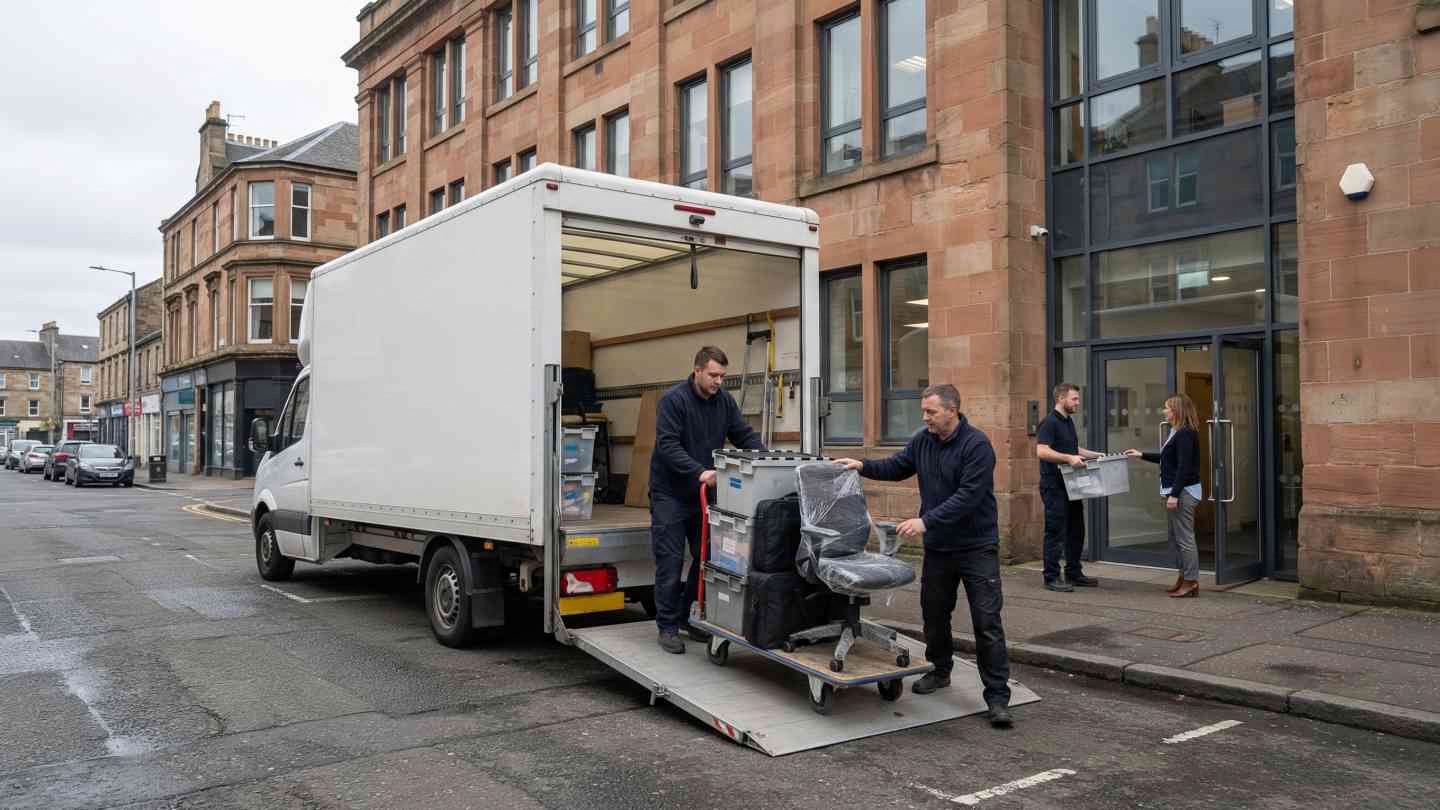
House Removals Paisley does not do the house removals work itself. When you call or send the form, we pass your request to an independent local contractor who covers your part of Paisley. That contractor contacts you, gives you the estimate and does the work.
See what happens after you callSend us your collection address, destination, preferred date and a description of the belongings involved. We pass your request to an independent local contractor, who contacts you directly to discuss the job and provide an estimate.
No. We receive the request and pass it to an independent local contractor. The contractor contacts you, provides the estimate and carries out the removal if you decide to proceed.
It is sensible to start making enquiries as soon as your moving date becomes reasonably clear. This gives the contractor an opportunity to discuss availability and any preparation that may be needed.
Yes. Explain your likely moving window and mention that the date is provisional. The contractor can discuss the next steps and whether arrangements can be considered once your date is confirmed.
Include both addresses, the type of property, the number of bedrooms, the main furniture items and any access restrictions. Also mention packing, storage or specialist handling requirements.
Tell us about your upcoming move and we will pass your request to an independent local contractor for direct follow-up.
Free — no obligations